Your Clutter Is Killing You.
images courtesy of Canva
Have you ever looked around your home, a friend’s place, or even a public location, feeling a sense of overwhelm for no reason?
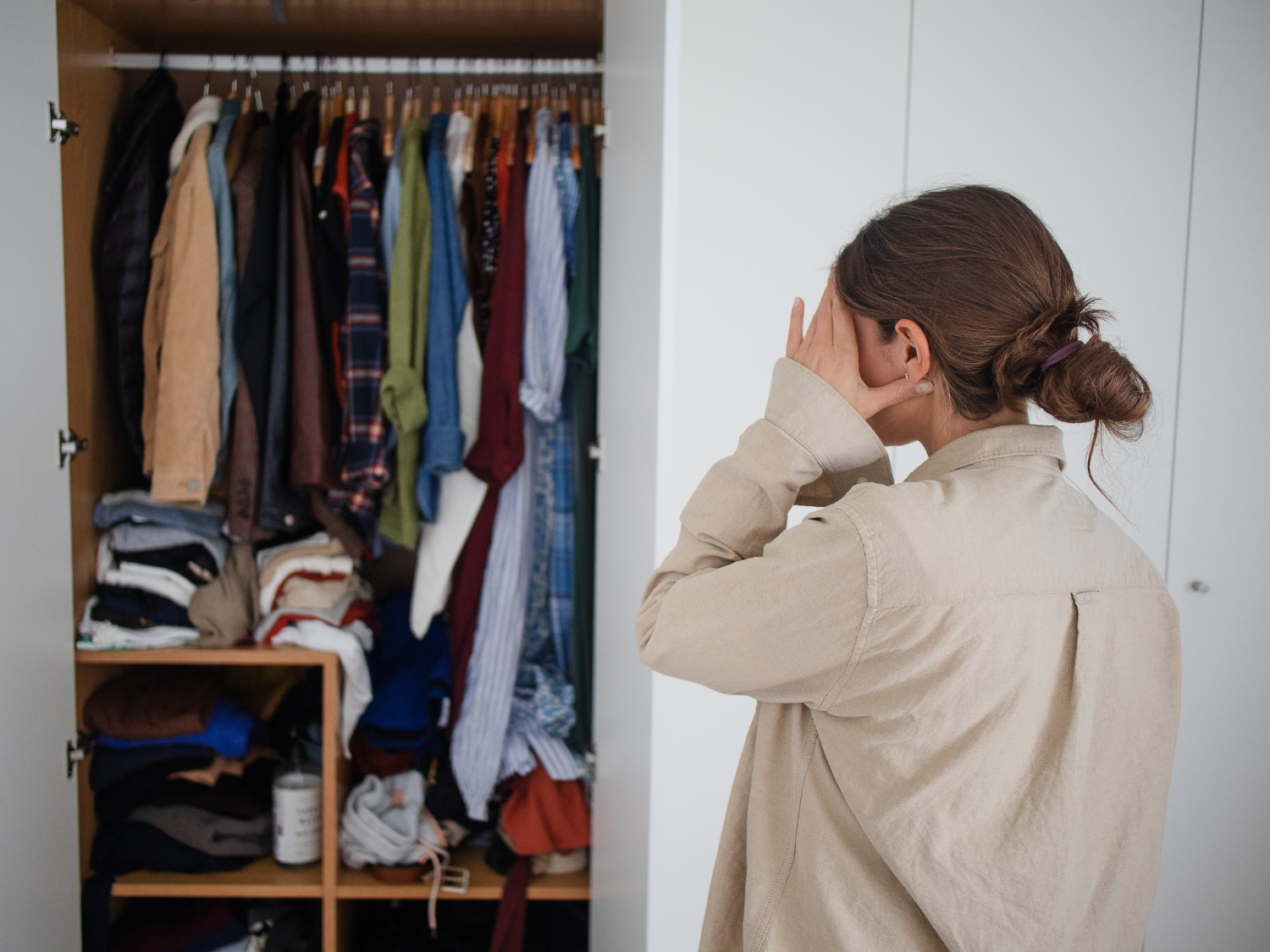
In our fast-paced world, clutter (and noise) seems to sneak up on us without warning, accumulating in our homes, offices, and even our digital spaces. Many of us struggle with this constant buildup—whether it's piles of papers on our desks, overflowing closets that never seem to close, or a kitchen countertop that has disappeared beneath a sea of gadgets and groceries.
It might seem like a simple inconvenience, but clutter can have far-reaching impacts on our lives. The chaos can be overwhelming, leading to a sense of loss of control and affecting our mental and physical well-being.
It's not just about having too much stuff—it's about how that stuff can impact our quality of life.
In this blog post, we'll dive into why clutter is more than just a mess—it's a silent stressor that's slowly killing us. We'll uncover the hidden dangers of clutter and explore practical steps to reclaim your space, establish better organization habits, and ultimately create a clutter-free environment where you can thrive.
From simple tips to comprehensive checklists, you'll find everything you need to transform your living spaces into a haven of order and tranquility.

Are you ready to take back control of your life?
Whether you're just beginning your journey into minimalism or looking for a fresh start, I’m here to guide you.
Read on to discover how to turn your cluttered home into a peaceful, clutter-free sanctuary.
The Mental Toll of Clutter
Clutter has a direct impact on your mental health. What bothers one person may not bother you, but studies show that messy environments can lead to increased stress, anxiety, and even depression.
When surrounded by disorganization, our brains work overtime to make sense of the chaos, leading to cognitive overload. Add in the act of actively looking for something we are missing, and overstimulation can result in decreased focus, impaired decision-making, and a general sense of overwhelm.
In addition, clutter creates visual distractions, making it difficult to relax. Our brains are wired to respond to our environment, and when that environment is filled with too much stuff, it can lead to a constant state of low-level stress. This can affect sleep patterns, leading to fatigue and reduced energy levels.
The Physical Impact of Clutter
Clutter isn't just bad for our mental health; it can also take a toll on our physical well-being. Cluttered spaces often collect dust, allergens, and other pollutants, which can worsen allergies and respiratory issues that actually keep you from wanting to clean your home in the first place.
Clutter doesn't just create stress and hamper productivity; it also contributes to physical hazards, making our spaces unsafe. Too many objects lying around your home can also increase the risk of accidents and injuries, especially among older adults or those with limited mobility.
A great example is when my grandparents were alive (age 94 and 89) I had to start removing the little rugs around their house because they started to accidentally trip over these little rugs. Their home wasn’t cluttered; it was quite immaculate, but still, the rugs were a small type of clutter that started to become clutter as they aged.
A cluttered kitchen might discourage healthy cooking & leading to poor dietary choices, because to the viewer it may appear overwhelming due to a lack of space to cook in the first place.
This is why, in viewing the homes of vegans or minimalists, they typically have a spotless kitchen because even their healthy consumption of food reflects in their everyday life.
Similarly, cluttered workout spaces can be demotivating, reducing physical activity and contributing to a sedentary lifestyle. If you are exhausted just 10 minutes after tidying up your home or organizing, chances are you are going to bail on cleaning altogether.
The Productivity Drain of Clutter
Clutter is a significant productivity killer that I feel I have a lot of experience with, which is why I feel compelled to write about it now.
Since working from home after the wake of the pandemic, the more I was at home, the more my mind was subconsciously seeing my own stuff, therefore I would need to clean more before sitting down for work.
Then, if I needed a break, I would get distracted by needing to clean another part of my apartment or getting lost in a “quick” organization project. Maybe this is what we need!
We need to visually see our stuff daily so we can take inventory of how much stuff we own, so we can declutter, and stop over-purchasing stuff we already have but couldn’t find so we ordered another one.

Tips to Combat Clutter
To prevent clutter from slowly killing us, we need to take action to reduce the excess items we own and the amount of activity we generate to take care, clean, move, or store those items.
Here are some practical tips I have adopted recently and some I've been doing for years.
Adopt a Minimalist Mindset
I feel strongly that the first step in reducing the overwhelm in your life is to embrace the idea that less is more.
Consider what you truly need in your daily life, store the things you don’t need constant access to, and let go of the rest.
Allowing yourself to slow down in life and being OK with it is another huge mindset shift needed to release mental clutter.
You don’t have to focus on 10 things in a day.
Anyone else who can is just built differently, so don’t compare yourself to someone else’s best day.
You may be seeing them during their most productive hours or days, but you don’t get to see them crashing with exhaustion later.
We are all programmed to want to show our best selves when we are around others, and most skip the vulnerable, disorganized parts of ourselves.
You are not in a race against life.
Consider the world of manifestation and that things will come to you when God, or the Universe, is ready for you to receive them.
2. Don’t Over Decorate
Imagine living in a space that makes you feel calm and clears your mind from feeling overwhelmed.
A simplified space with fewer decorative elements allows your mind to rest and focus, creating a more calming environment.
Your environment says a lot about you, even if you don’t realize it.
I live in a 650 square foot, open floor plan apartment where you can see the kitchen and built-in desk from my living room and vice versa.
In my Declutter With Me video, the moment I finally decided to remove things from the top of the cabinets, walls, and countertops, I felt an instant weight lifted from my soul.
Insert video from YouTube
The bonus was feeling like I was in another apartment. Just like adding decor can make your space look different, so can removing items.
For years, I have always had an obsession with photos of hotel rooms, not realizing the reason behind this was that it was not my own space, but also it was super clean and well planned out with minimal items.
Hotels make you feel great because they are not littered with your personal belongings, and the decor is meant to trigger a certain “calming” psychological reaction of being in the hotel.
Whether at home or on vacation, this sense of calm can lead to reduced stress and a noticeable uplift in overall well-being.
By minimizing visual noise, you give your brain the space it needs to relax, rejuvenate, and feel truly at home.
3. Declutter Regularly
Set aside time each week to declutter a specific area.
You can start small and work your way up to larger spaces, or you can also first hit the place that gets you feeling annoyed.
For me, it was my kitchen because I hand-wash my dishes since the dishwasher isn’t all that great in my apartment anyway. Plus, I like how therapeutic it feels to run my hands through the water.
The downside would be inserting dishes into the dishwasher to dry and unloading an entire dishwasher the next morning.
This would send me into a whirlwind of stacking clean dishes, cups, and silverware all over my countertops.
The one place I am not decluttering fast enough would be my built-in desk area, because this is where I typically set things to keep the rest of the house clean.
I know that sitting down at my desk the next morning would drive me nuts if I didn’t go through those items right away, so it forces me to do it.
You might feel better cleaning up your workspace at the end of each day so that waking up to a clean work environment invites you right into productivity.
4. Organize Smartly
By designating specific places for items and regularly tidying, you create a sense of order that minimizes chaos.
Keep in mind that it’s best to organize after you have decluttered things you got rid of, not to buy organization items in order to keep all your stuff.
Having ample storage solutions with drawers and doors to essentially have more control over what you expose in your home is the key to a home looking clean, organized, and minimal-ish.
Inserted 2 organization containers from Amazon
I like clear acrylic or plastic systems. The structure not only makes it easier to find what you need but also discourages the accumulation of unnecessary objects.
Ultimately, effective organization reduces stress, enhances productivity, and fosters a more tranquil environment.
Use storage solutions that work for you, whether they are clear so you can see through them or label your boxes.
5. Go Digital
One of the best ways of reducing clutter is by going digital.
This may not be ideal for all folks because we all work differently. I know people who still don’t trust logging into their bank account on their mobile phones.
I enjoy a nice balance of paper and digital planning, depending on how mobile I will be on any given day.
In a perfect world, I would own all of my books via Kindle Reader so that books can travel with me anywhere in the world and be at my fingertips. But I absorb what I learn much better when I am able to underline and make notes in the margins of a real book.
However, I have enjoyed owning an Apple TV for years now, so I wouldn’t have to own a DVD player, see cables or wires, or pull out any DVDs.
I love being able to carry my favorite TV series, Sex & the City, anywhere in the world on any of my Apple devices or watch my other favorite series, Emily in Paris, from Netflix on my iPhone.
The Takeaway
Clutter may seem harmless at first glance, but its cumulative effects can be significant, especially with folks who may have bad shopping habits where you are collecting items more than they are being used.
By taking proactive steps to declutter our lives and use up the products we have, we can improve our mental and physical health, boost productivity, and create a more harmonious environment.
Start decluttering today by downloading my free Mini Monthly Declutter eBook, and feel the difference it makes in your life.